Multi-Material Bonded Joints Under Intermediate Strain Rates
What happens to adhesive joints when loading becomes too fast for conventional testing to tell the whole story?
My research addresses a critical gap in understanding the dynamic behavior of adhesives and multi-material bonded joints at intermediate strain rates, where conventional quasi-static characterization becomes less representative and inertial effects increasingly influence testing.
I investigate the rate-dependent response of bulk adhesives and multi-material lap joints, connecting experimental testing with predictive rate-dependent constitutive and cohesive-zone modeling, while exploring functionalized adhesive systems to enhance performance.
As digital twins and machine learning continue to advance, this research provides the experimental understanding and material foundation needed to develop and validate models for crash-relevant bonded structures.
Research at a Glance
01
2023–Present
Intermediate Strain-Rate Testing
Measuring joints beyond quasi-static limits.
Crash loads reach a joint in milliseconds, and quasi-static data can’t predict how an adhesive responds at those speeds.
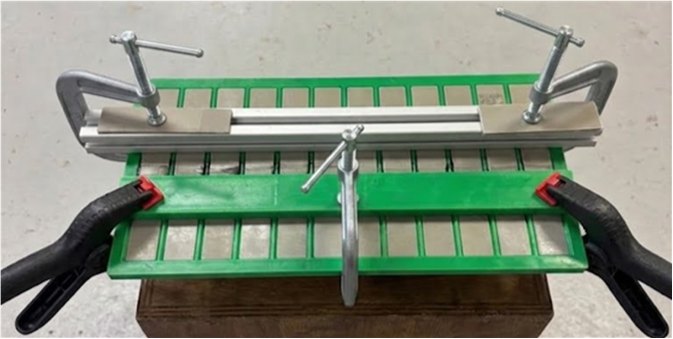
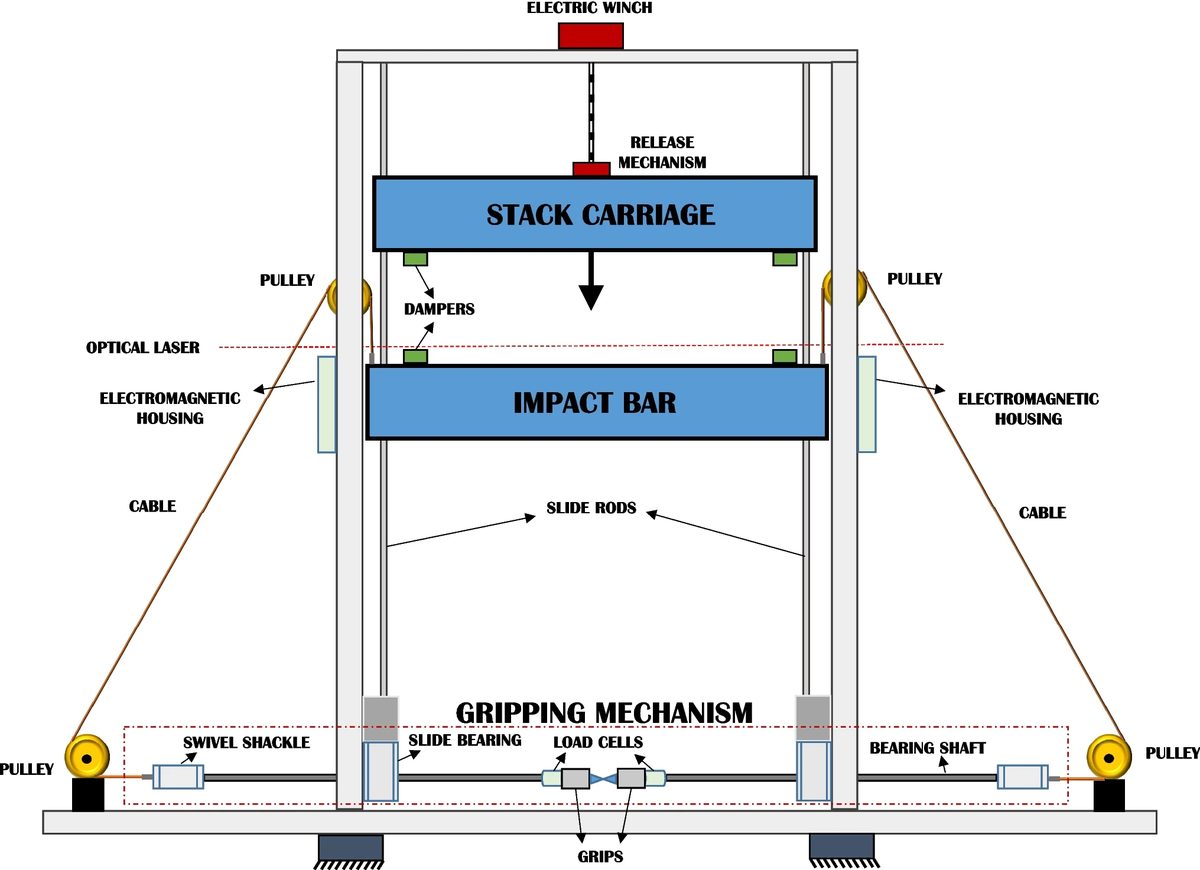
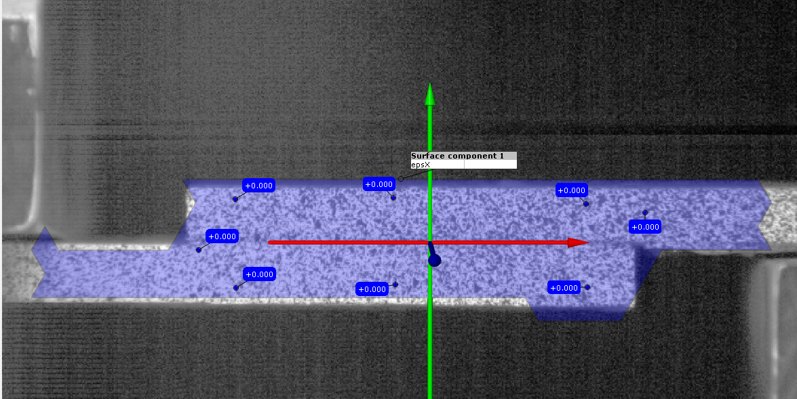
Bulk adhesives and multi-material lap joints tested on a symmetric drop-weight fixture with high-speed DIC at 14,000 fps.
Result
Captured full joint response at strain rates up to about 67 s⁻¹, imaged at 14,000 fps.
Fixture: Hassan et al., Experimental Mechanics 66 (2026). DOI
02
2024–Present
Cohesive-Zone Modeling
Predicting bonded-joint failure from material data.
Validated joint models let engineers design bonded structures without testing every configuration.
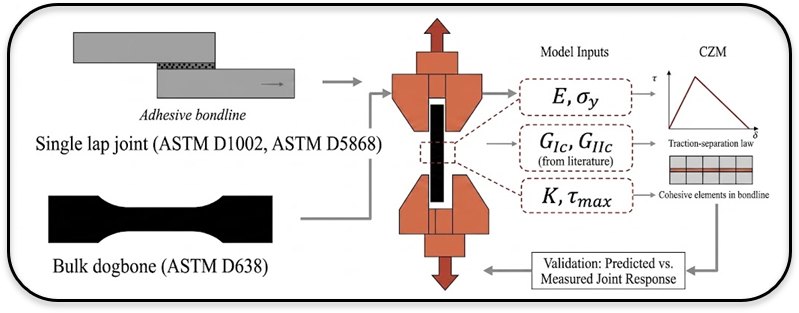
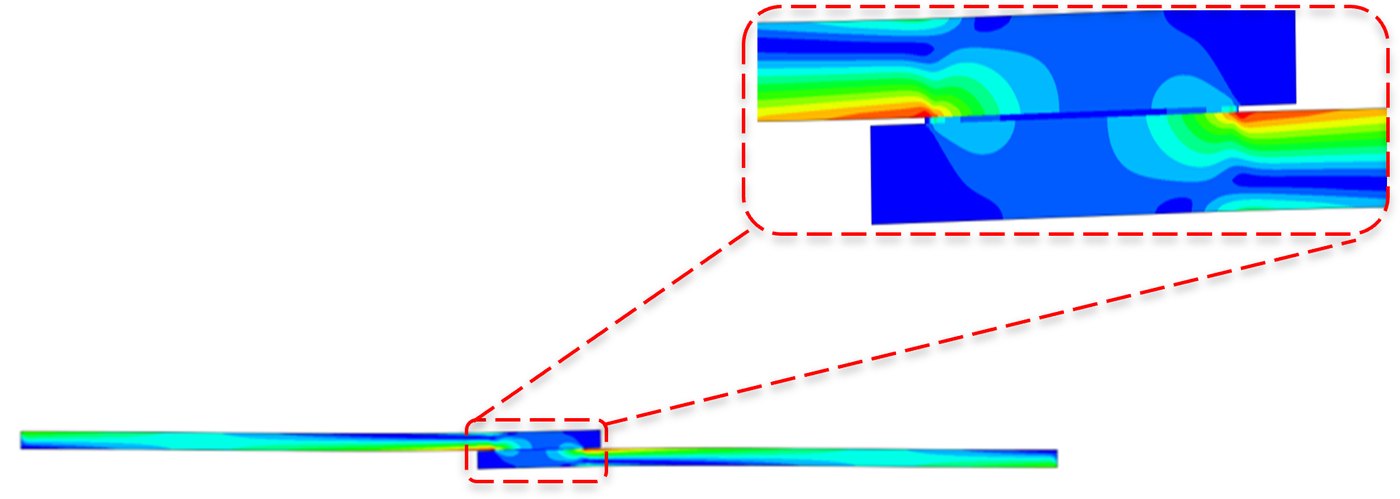
ABAQUS joint models calibrated from bulk adhesive data and validated against measured joint response.
Result
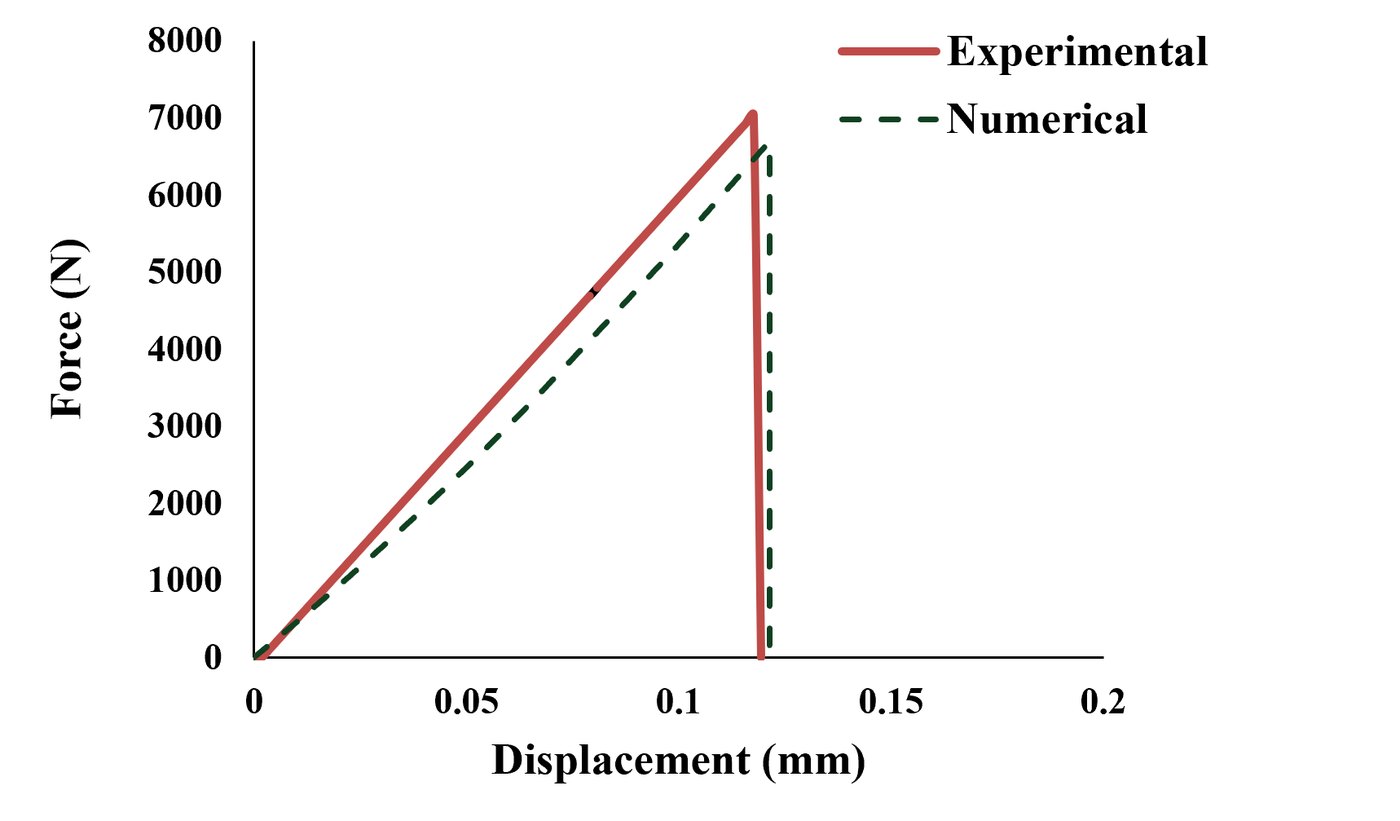
A model calibrated only from bulk adhesive data predicted the measured peak load of the lap joint within about 6%.
03
2024–Present
Nanoparticle Surface Functionalization
Tuning particle chemistry for performance.
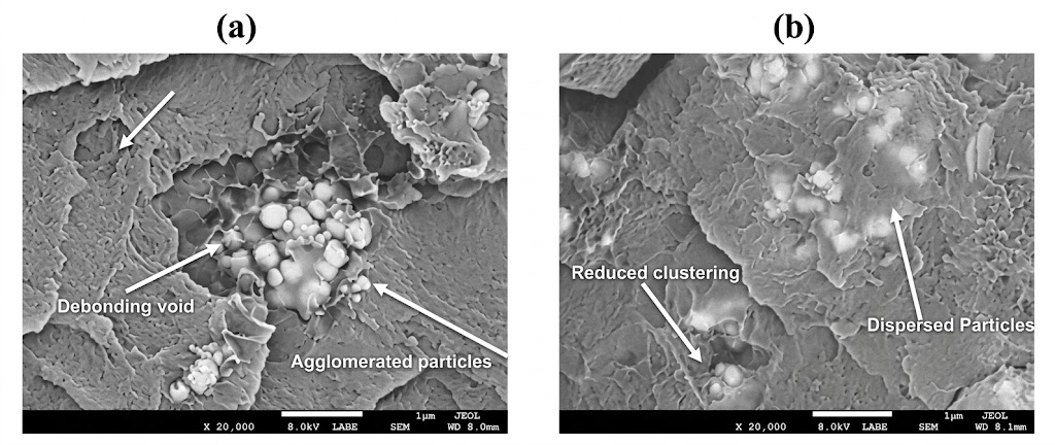
Nanoparticles only help an adhesive when they disperse well and bond to the matrix.
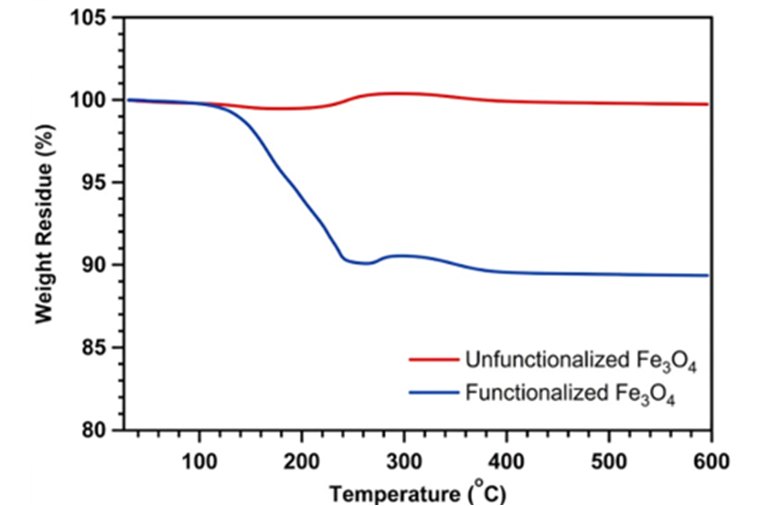
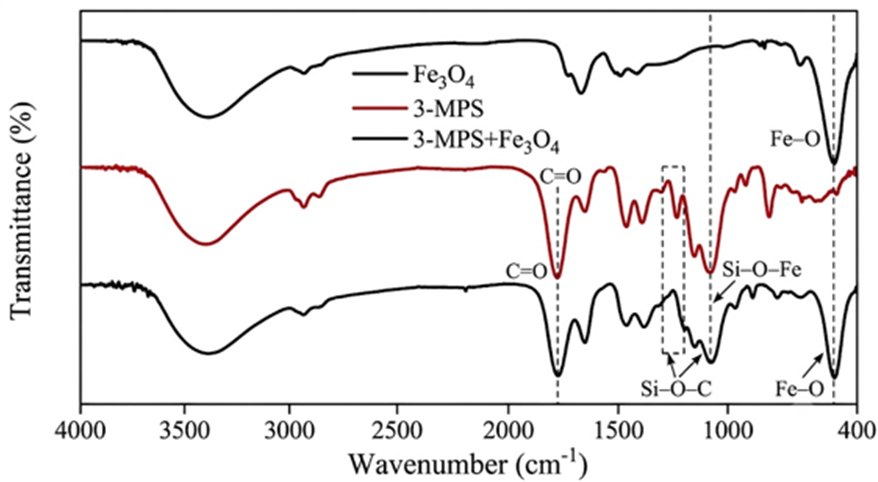
Silane and citric acid treatments of Fe3O4 and their effect on the mechanical and magnetic behavior of thermoplastic adhesives.
Result
Surface treatment confirmed by FTIR and TGA, with improved particle dispersion visible in SEM fractography.
04
2024–Present
Rate-Dependent Constitutive Modeling
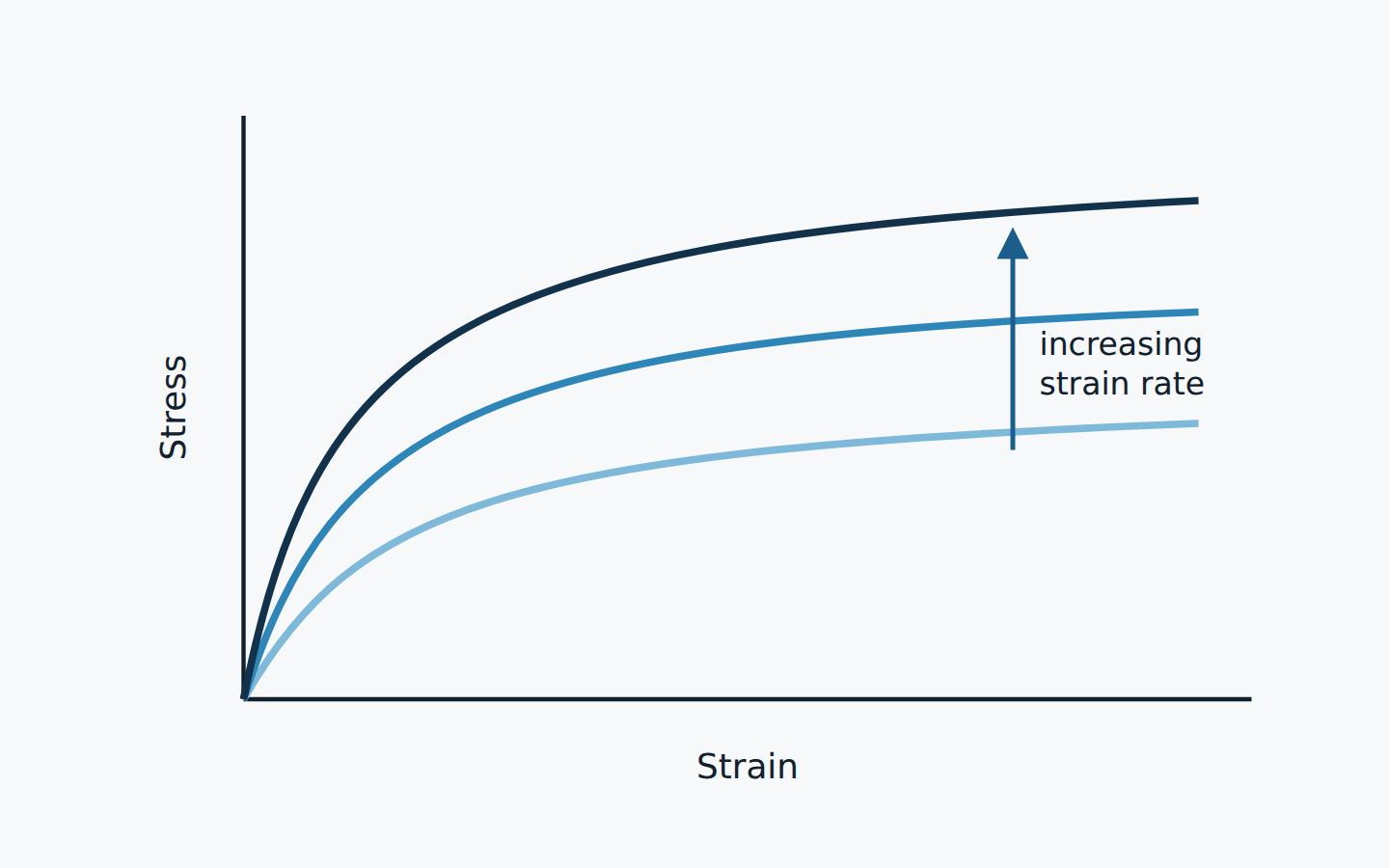
Capturing how adhesives respond as loading speeds up.
Crash simulations need material models that account for how fast the load arrives.
Developing rate-dependent constitutive models to capture how the adhesive stiffens and strengthens as loading rate increases, calibrated from measured intermediate strain-rate data.
Status
In progress, building on the measured intermediate strain-rate data from Project 01.
05
2025–Present
Hybrid Nano–Micro Reinforcement
Reinforcing adhesives at two scales at once.
A single filler usually trades one property for another; combining two scales targets both.
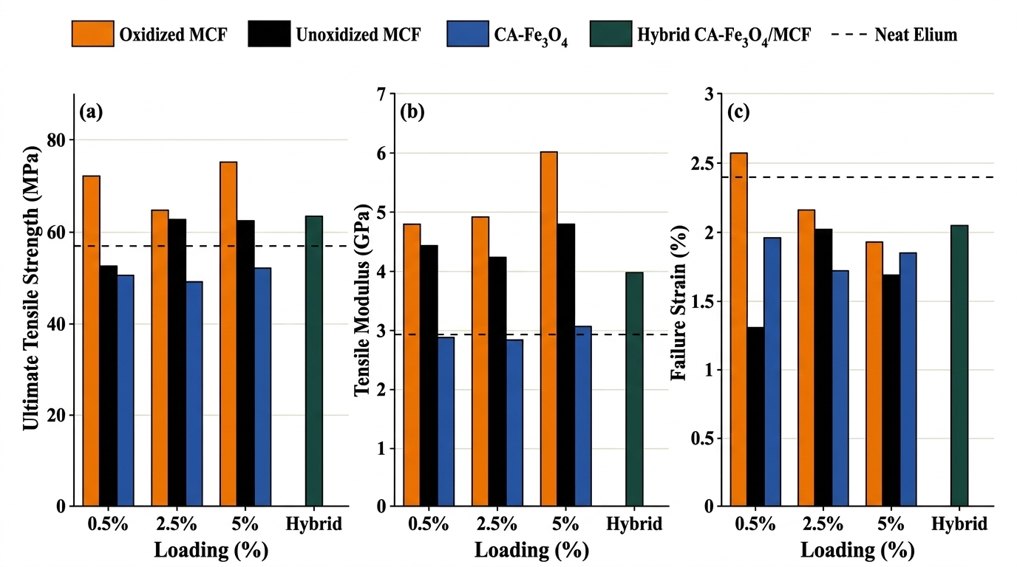
Functionalized Fe3O4 combined with oxidized milled carbon fiber, with experimental and cohesive-zone study of the resulting architectures.
Result
Oxidized MCF raised tensile strength to about 75 MPa and modulus to about 6 GPa, against roughly 57 MPa and 2.9 GPa for neat Elium.
06
2025–Present
Reversible Adhesive Bonding
Joints that release and rebond on demand.
Permanently bonded joints make repair, disassembly, and recycling difficult.
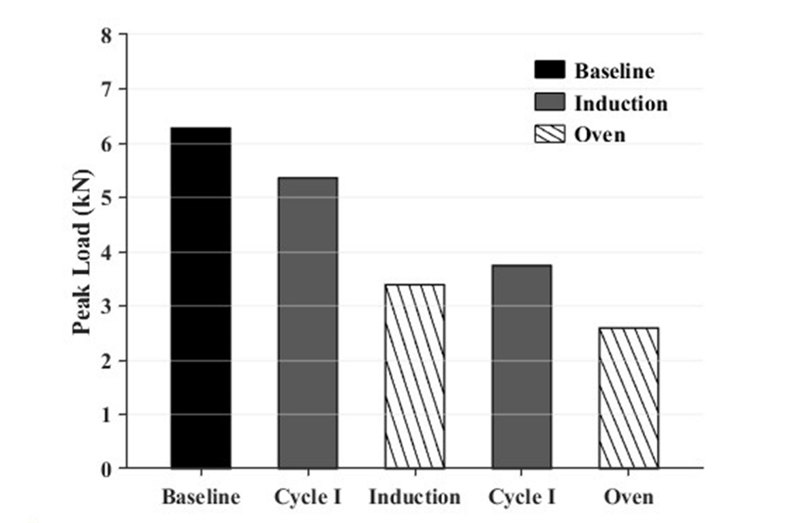
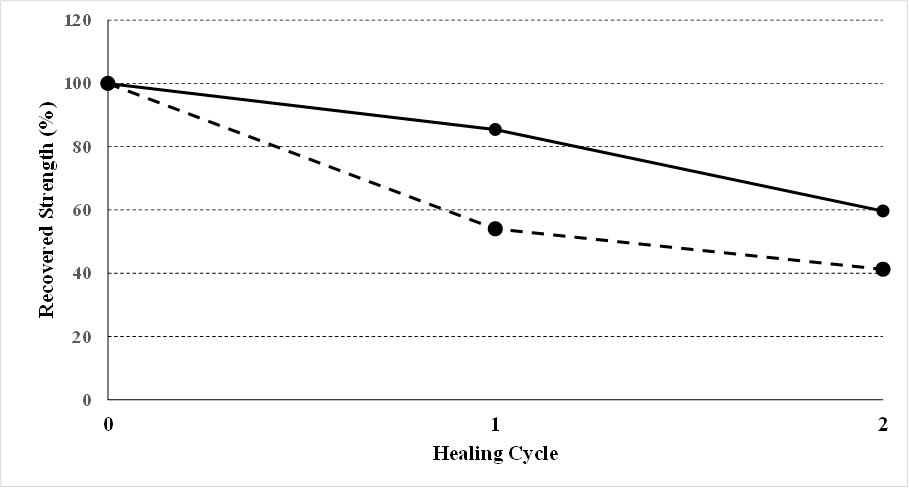
Induction-triggered debonding, rebonding, and repeated healing of thermoplastic adhesive joints.
Result
Induction healing recovered about 85% of joint strength, compared with 54% for conventional oven healing.
07
2025–Present
Carbon-Based Nanocomposites
Functionalized fillers in engineering thermoplastics.
Stronger filler–matrix bonding is what turns nanofillers into real performance gains.
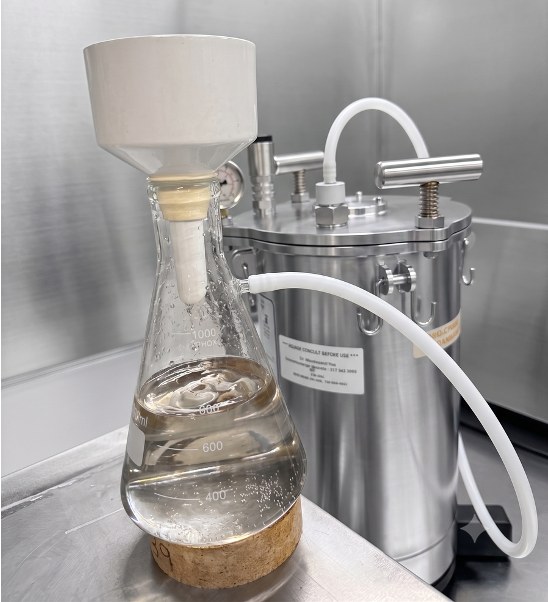
Acid-oxidized CNT and graphene nanoplatelets in ABS, tested across quasi-static and intermediate strain rates.
Result
Presented at SAMPE 2026 in Seattle.
08
2023–2026
Thermal Spray & Powder Coatings
Protective coatings for vehicle sustainment.
Coatings that resist corrosion extend vehicle service life and reduce maintenance.
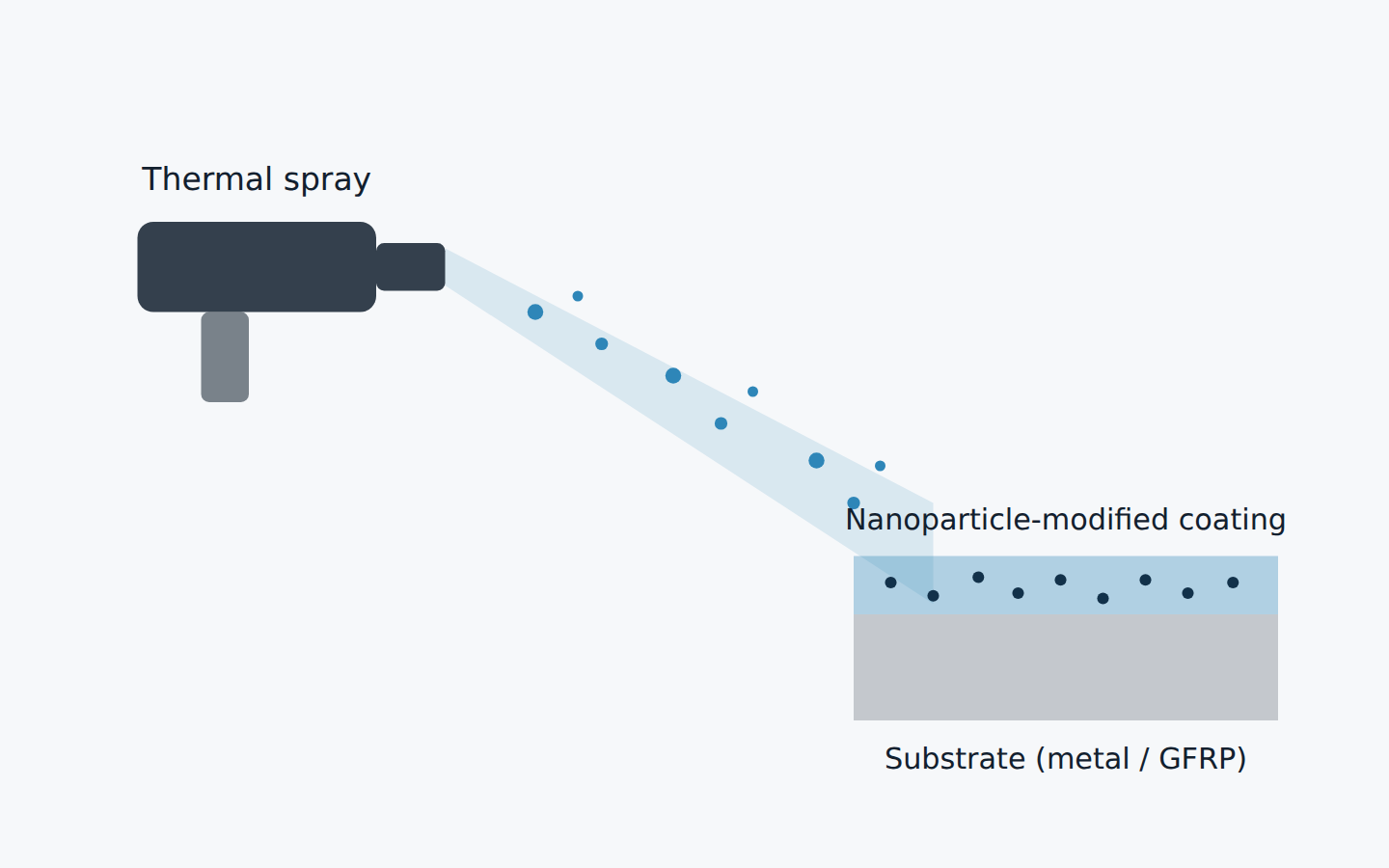
Nanoparticle-modified clay coatings for metal and GFRP substrates, characterized for adhesion, corrosion, and thermal performance. NCMS-funded.
Result
Led coating development from formulation through powder-coating process trials, with technical input from GVSC and PPG.
Export-controlled project. Results and imagery are not shown; the figure is a general schematic for illustration.
09
2023–Present
Lightweight Vehicle Structures
Composite structures for automotive lightweighting.
Every kilogram removed extends an electric vehicle’s range.
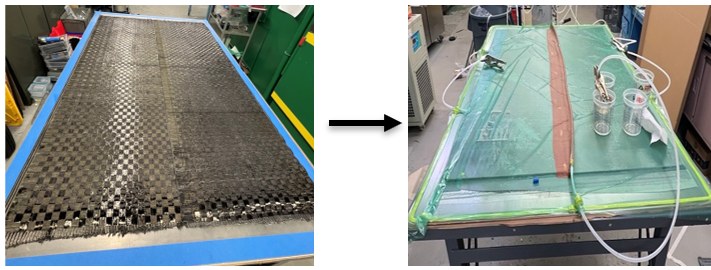
VARTM-manufactured car hoods and battery-tray structures for lightweight electric vehicles. GVSC-funded.
Result
Manufactured composite car hoods and battery-tray structures by resin infusion.
10
2023–Present
Z-Stitched Sandwich Composites
Through-thickness reinforcement of embedded structures.
Delamination is the main weakness of laminated composites, especially around embedded components.
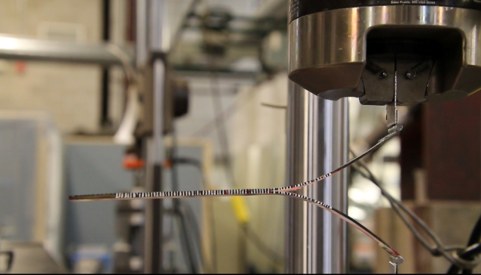
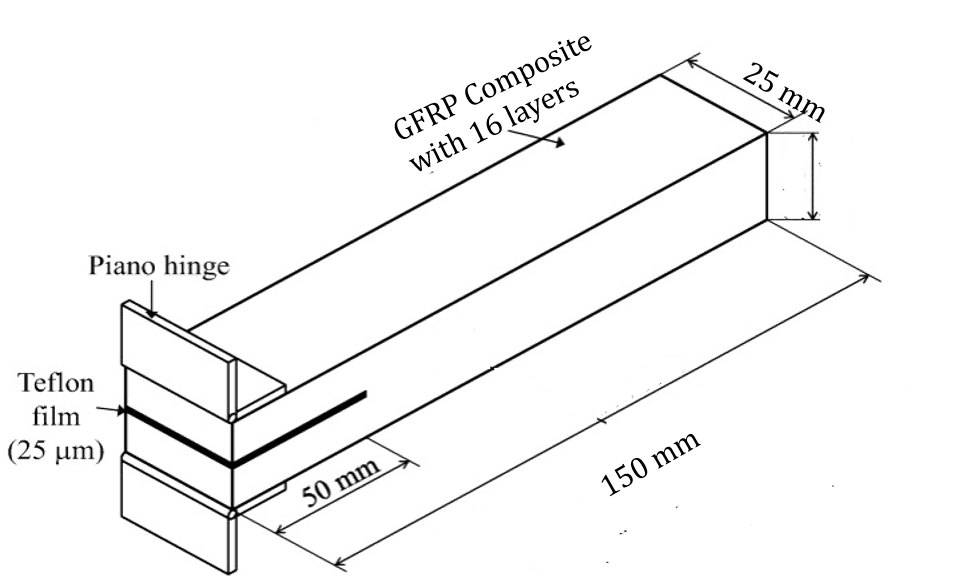
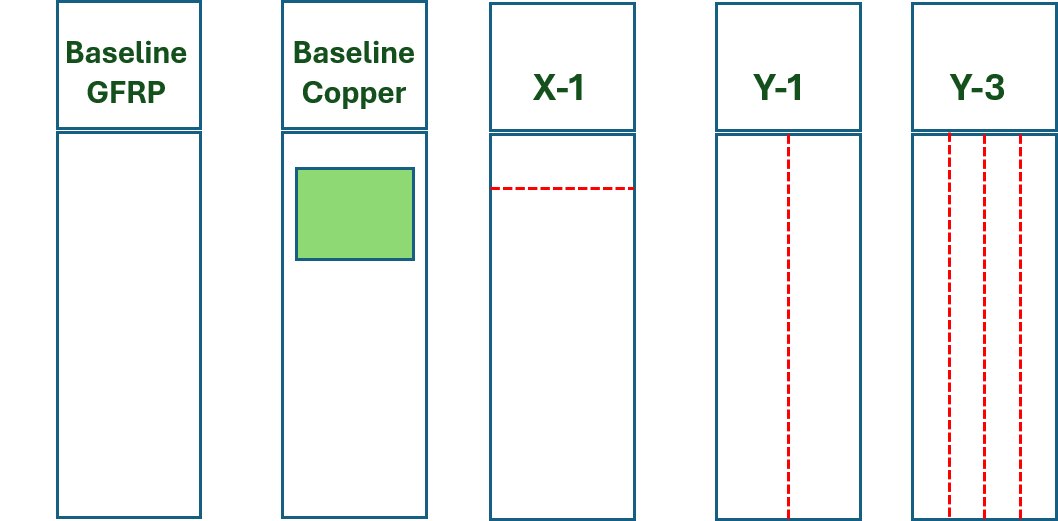
Experimental and numerical study of Mode I fracture in stitched sandwich composites with embedded RF copper fabric antennas.
Result
Y-direction stitching raised Mode I fracture toughness to 4.72 N/mm from a 0.77 N/mm baseline, about sixfold, leading to an invention disclosure.
11
2024–Present
Fabric-Embedded RF Composites
Integrating electronics into structural composites.
Embedding antennas in structural panels saves weight and protects electronics, but only if the laminate stays strong.
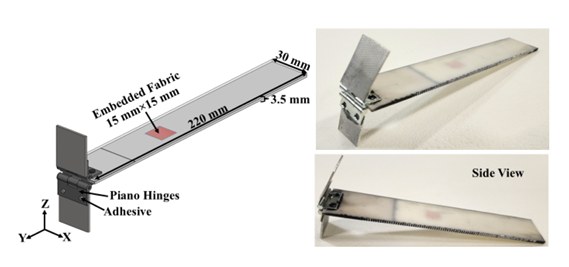
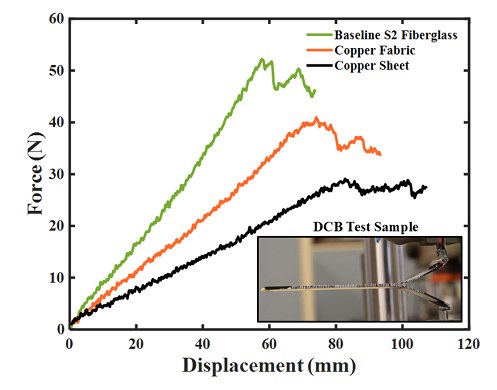
Glass fiber composites with embedded RF fabric structures for vehicular applications.
Result
Quantified how embedded copper fabric and sheet change Mode I fracture behavior; under review at IEEE Sensors Journal.
12
2024–Present
Impact-Resistant Foam Structures
Detecting damage in lightweight impact structures.
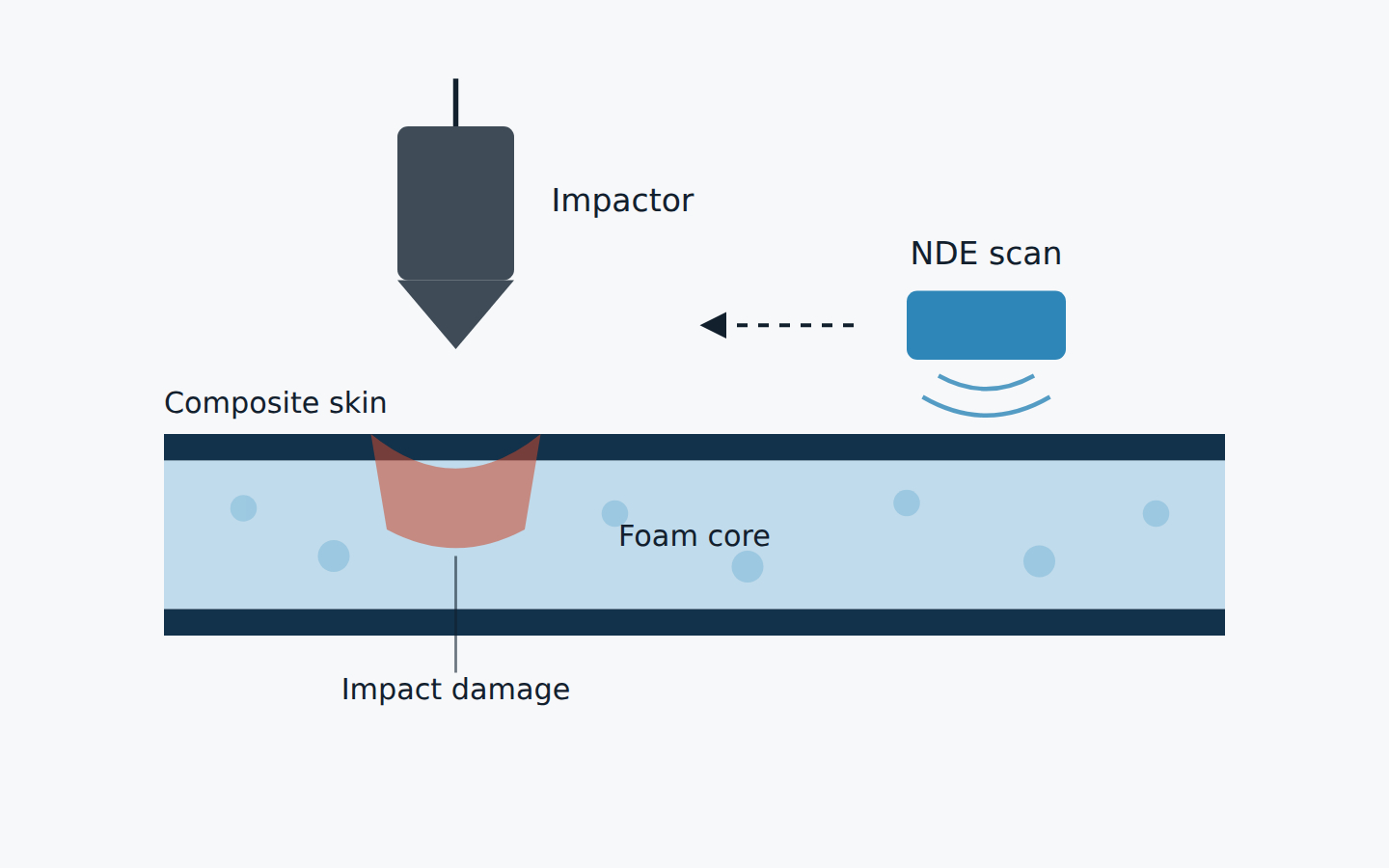
Impact damage inside foam structures is often invisible from the surface.
Nondestructive evaluation of impact damage in composite foam structures.
Result
Paired impact testing with air-coupled ultrasound and IR thermography to locate hidden damage.
13
2025
Open-Hole 3D-Printed CFRTP
How holes affect printed continuous-fiber composites.
Printing holes in place could skip a machining step, but only if strength holds up.
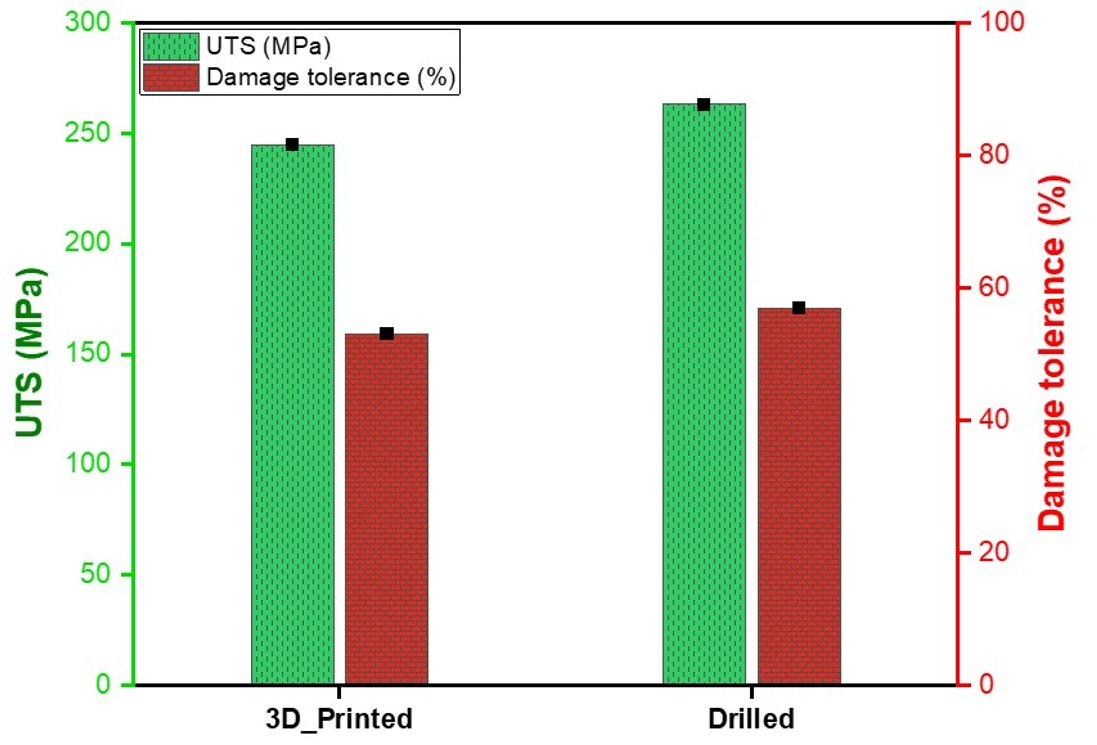
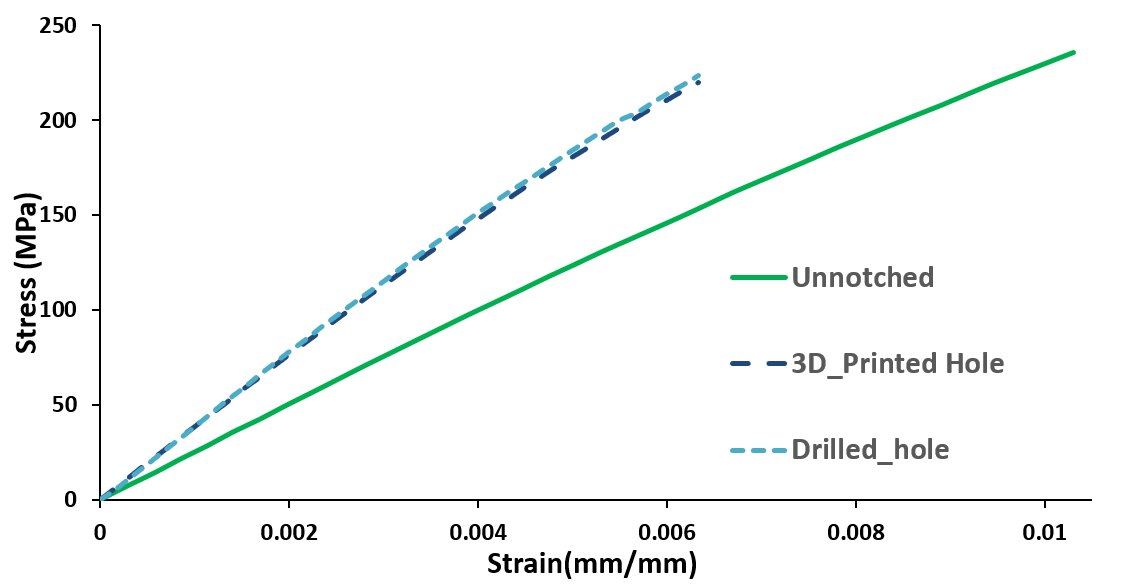
Open-hole tensile strength and damage tolerance of continuous fiber-reinforced thermoplastics with 3D-printed versus drilled holes.
Result
Printed holes came within about 7% of drilled-hole strength, with no machining required.
14
2023
Extrusion Additive Manufacturing Modeling
Simplifying simulation of printed polymers.
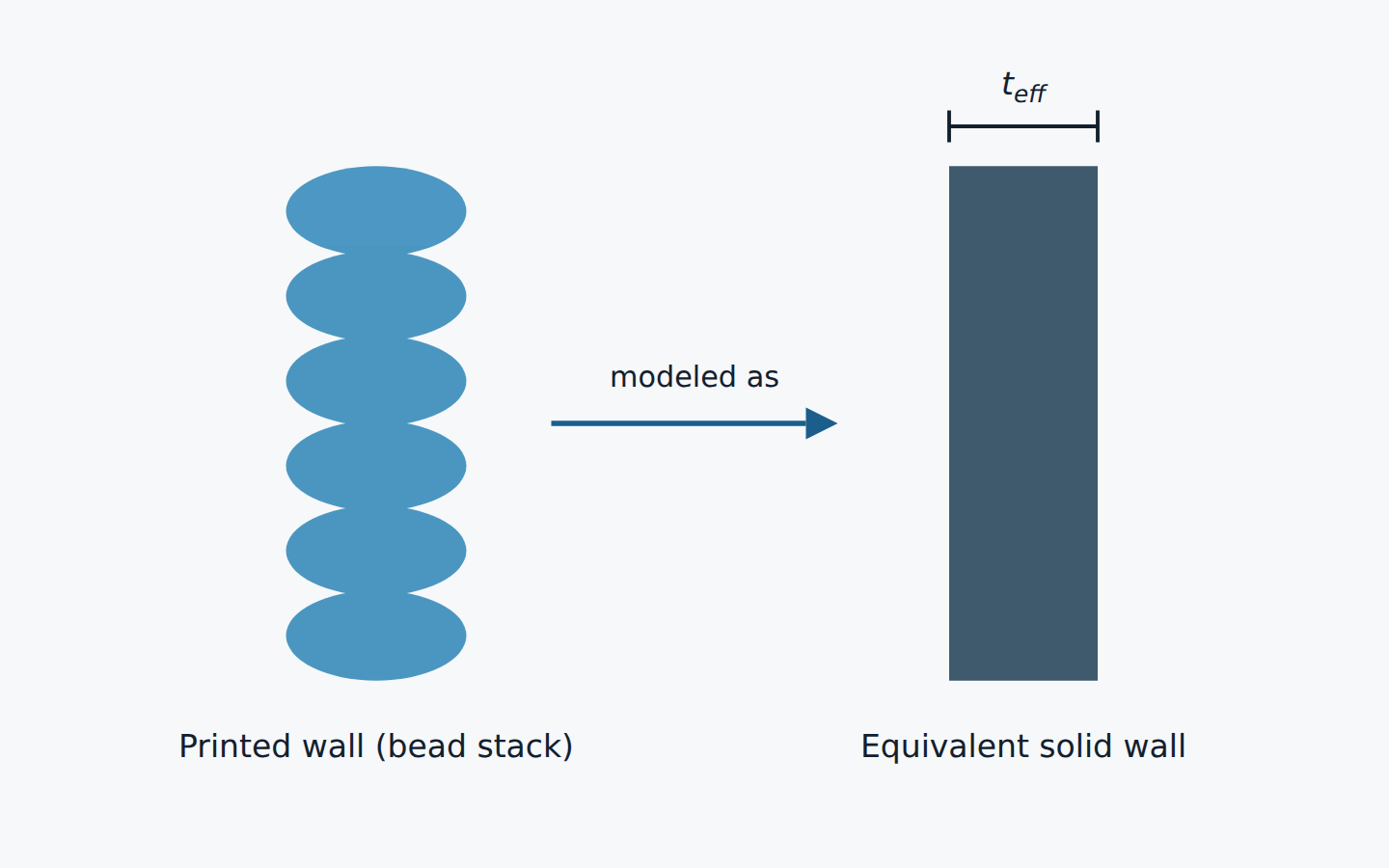
Simulating every printed bead is too slow for real parts.
Effective wall thickness approach for computational modeling of polymer extrusion printing.
Result
Presented at SPE ANTEC 2023 in Denver.
15
2021–2026
Structures Under Fire
Structural performance at elevated temperature.
After a fire, engineers have to decide whether steel members can stay in service.
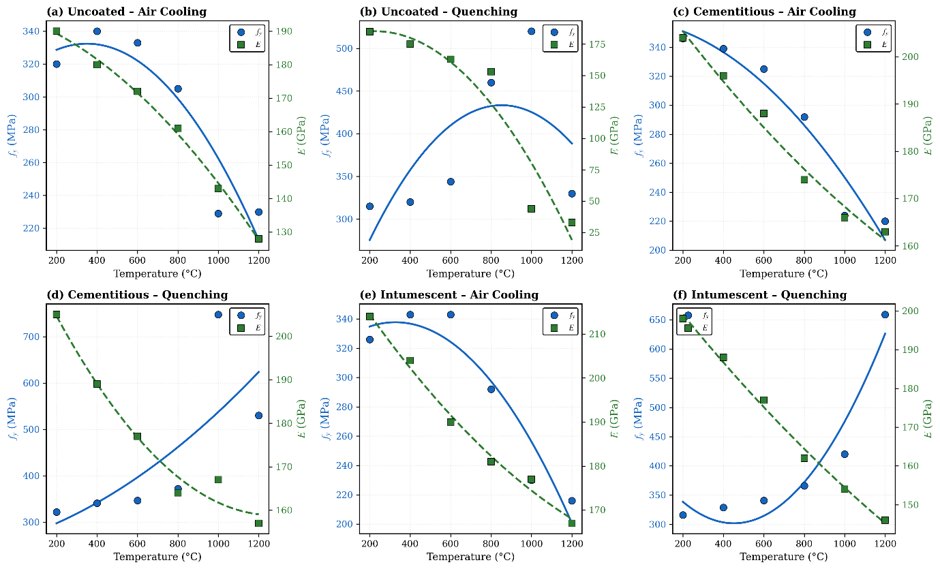
Residual properties of fire-exposed steel and behavior of concrete-encased composite members at high temperature.
Result
Compared how cementitious and intumescent protection and cooling method affect residual steel properties up to 1200 °C; under review at Engineering Structures.
16
Apr 2026
Composite Pickleball Paddle
From layup to a finished, tested product.
A design competition is a chance to take a part from raw material to a finished, tested product.
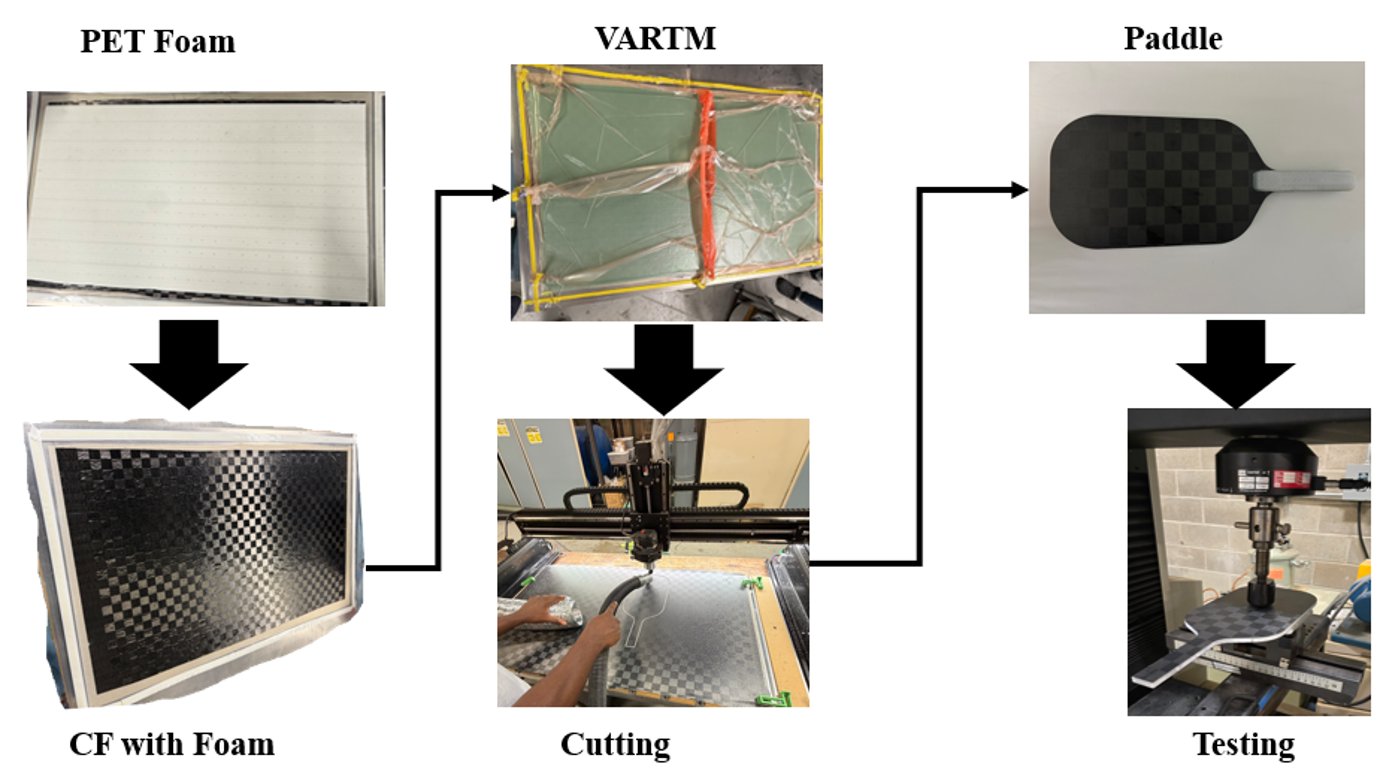
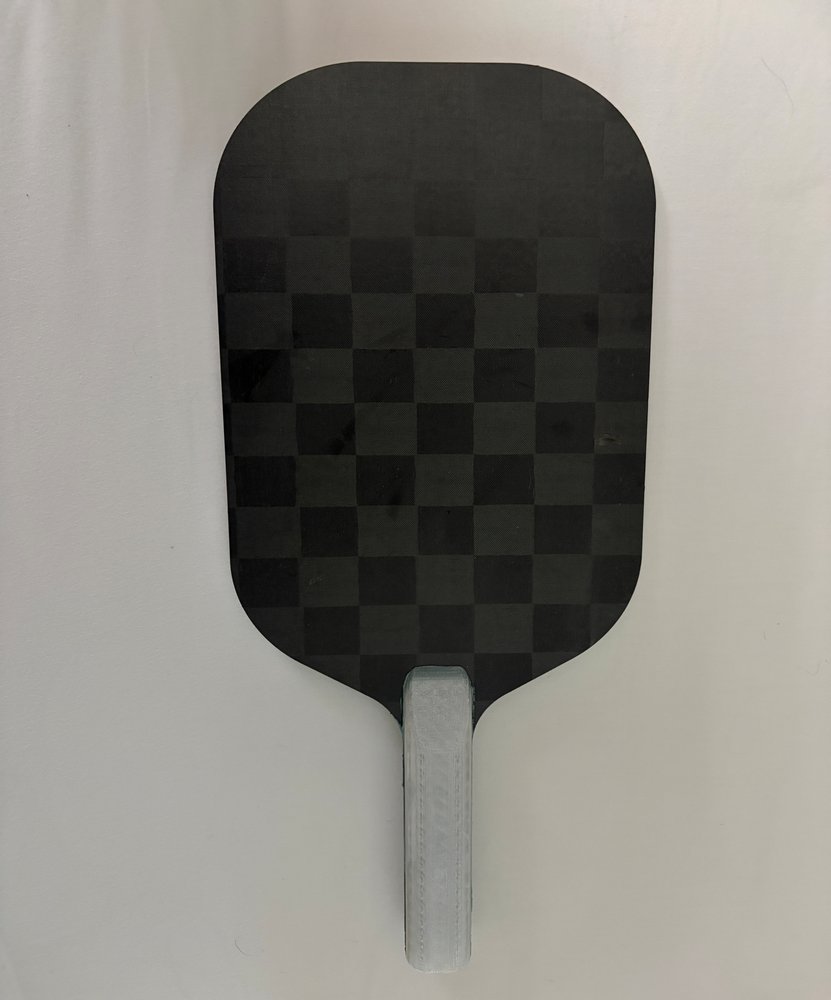
Carbon fiber and PET foam sandwich paddle built for the SAMPE 2026 student design competition in Seattle, taken through VARTM infusion, CNC cutting, and mechanical testing of the finished part.
Result
Designed, infused, machined, and tested a working carbon fiber paddle, presented at SAMPE 2026 in Seattle.